
Play Palindrome Sudoku Online Free - Mirror Line Logic Puzzle
More Sudoku Puzzles
What Is Palindrome Sudoku?
Palindrome Sudoku is a Sudoku variant where gray lines drawn across the grid must read the same forwards and backwards — just like word palindromes, but with numbers.
In addition to standard Sudoku rules:
Each row contains every digit exactly once
Each column contains every digit exactly once
Each box contains every digit exactly once
Palindrome Sudoku adds one extra constraint: digits along a palindrome line must mirror each other. If a line passes through A → B → C → D → E, then A = E, B = D, and C mirrors itself.
This variant is available in 4×4, 6×6, and 9×9 sizes on our platform.
How to Solve Palindrome Sudoku
1. Direct Mirror Placement
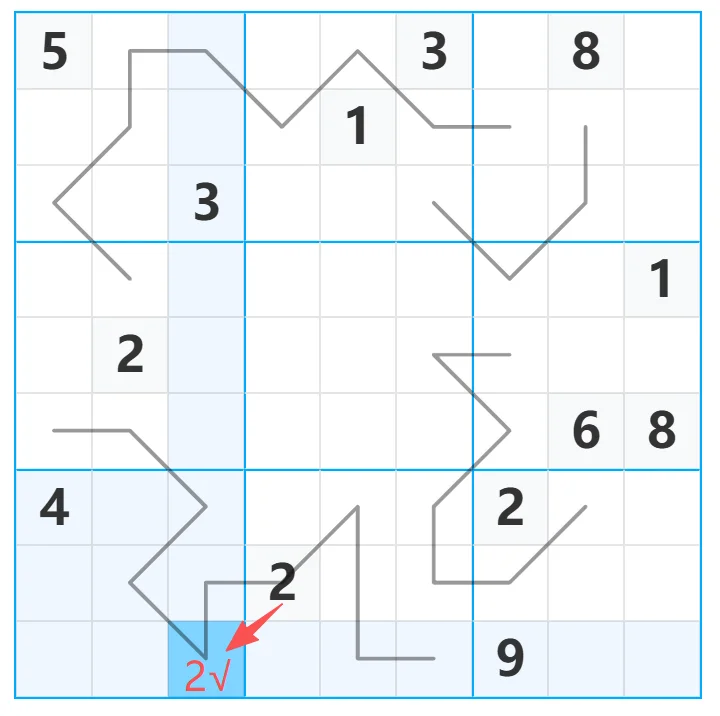
This simple rule often creates early progress in puzzles that look completely empty at first glance.
2. Mirrored Candidate Intersection
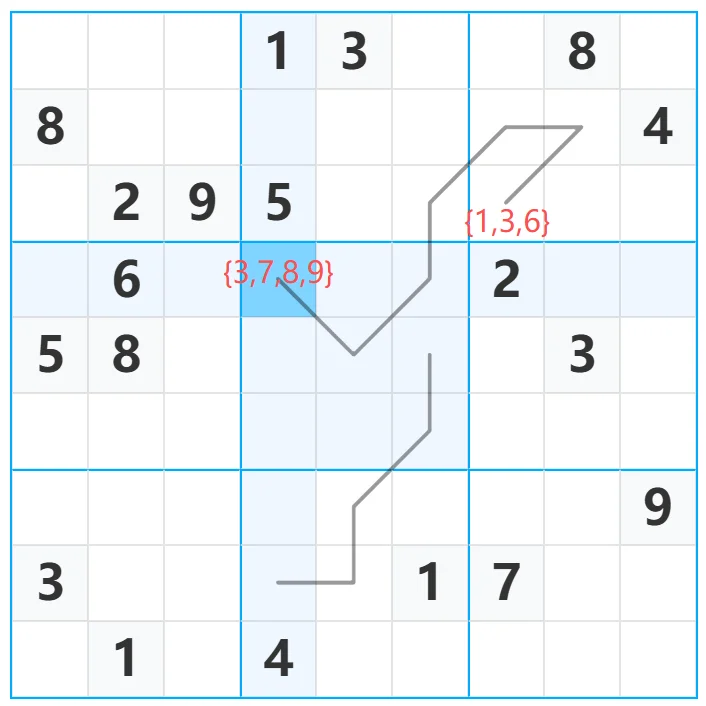
This is one of the few situations where a value can be placed directly without any additional reasoning.
3. Mirrored Candidate Synchronization
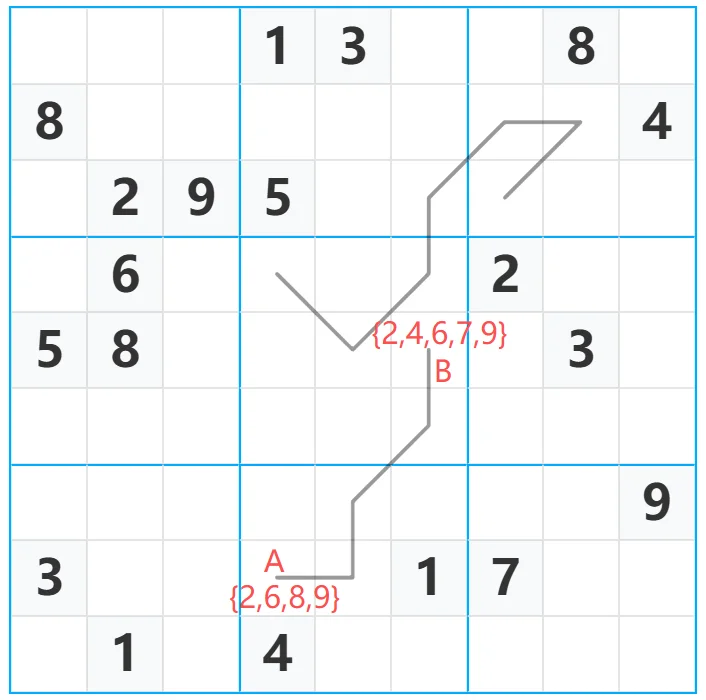
4. Mirror Collapse from One-Sided Pressure
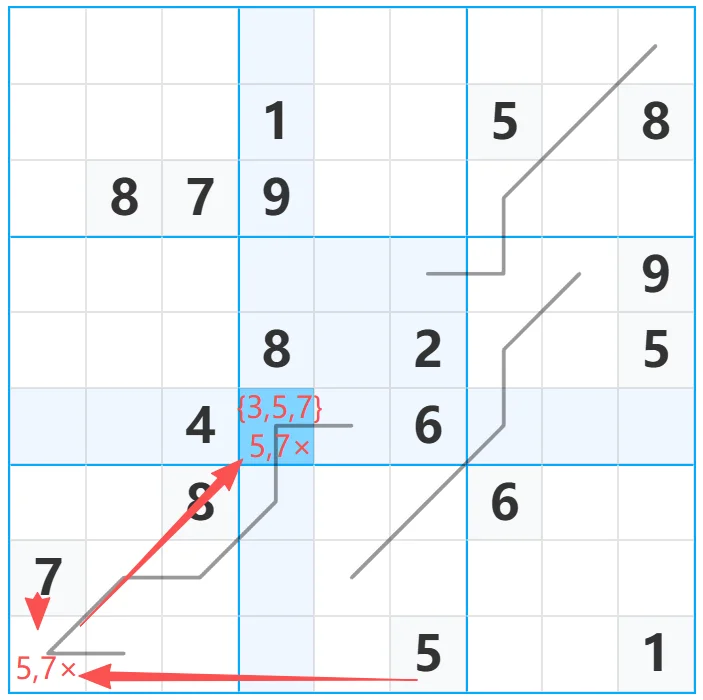
5. Palindrome Pair as a Remote Double Cell
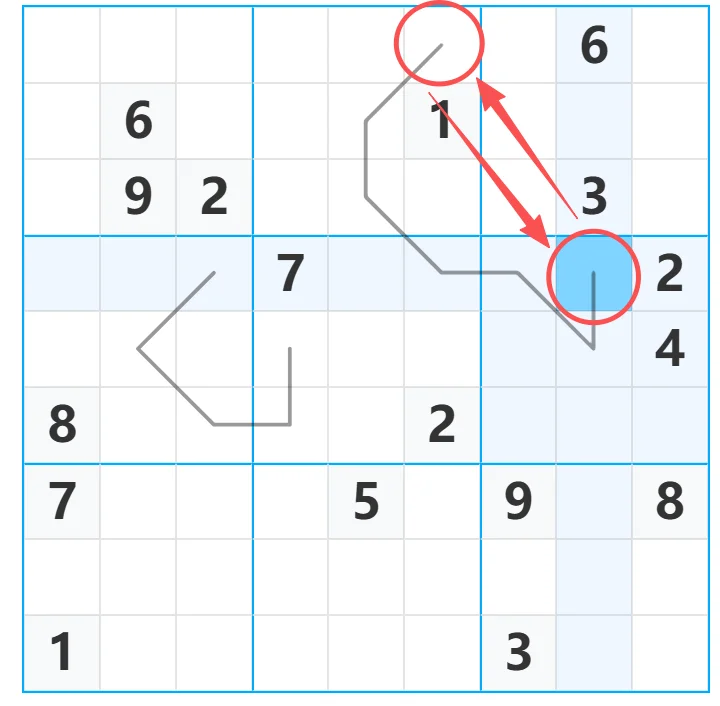
6. Long Palindrome Amplification
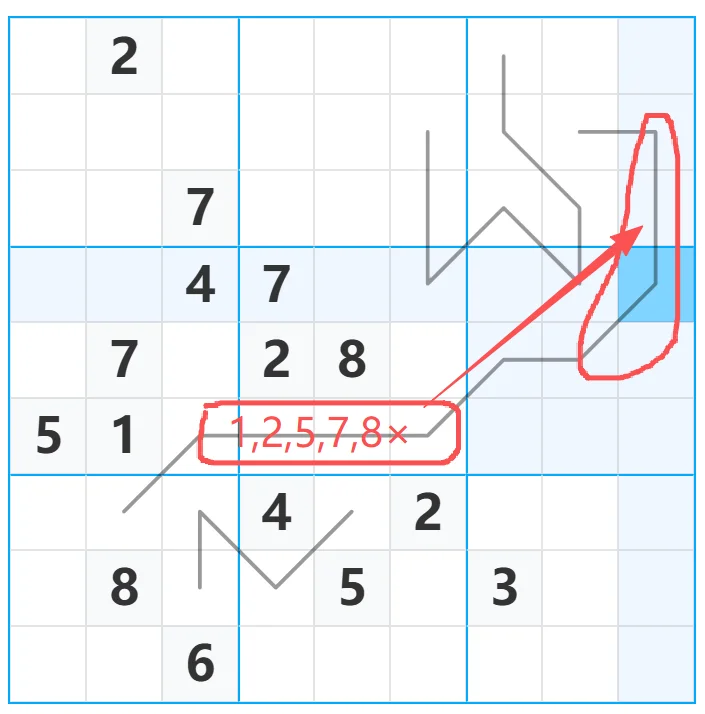
Palindrome Sudoku FAQs
Do digits repeat along a palindrome?
Yes — they must. Mirrored cells contain the same digit, even if they are in different rows, columns, or boxes.
Does the center of a palindrome have special rules?
Only if the palindrome length is odd. The center cell mirrors itself, so it follows only standard Sudoku rules.
Can a palindrome cross boxes?
Yes — and those are usually the most interesting puzzles. Palindromes crossing multiple boxes connect distant regions and allow eliminations that standard Sudoku cannot create.
Is Palindrome Sudoku easier or harder than standard Sudoku?
It depends on how you think. For players who like symmetry and long-range logic, Palindrome Sudoku often feels cleaner. For players who rely on box-by-box scanning, it can feel harder at first.
Which grid size should I start with?
4×4: Learn symmetry and mirroring with short, simple palindrome lines.
6×6: Palindromes often cross multiple boxes for deeper logic.
9×9: Long palindromes dominate the puzzle structure for the full challenge.