
Brain Training & Cognitive Science
Science-based brain training methods and cognitive science insights to improve memory, attention, and mental fitness.
Game Guides & Tips
Step-by-step guides, tips, and strategies for all iQiQGame games, including sudoku variants, number puzzles, and classic logic games.
Explore →
Brain Training & Cognitive Science
Science-based brain training methods and cognitive science insights to improve memory, attention, and mental fitness.
Explore →
IQ & EQ Insights
IQ and EQ insights: test prep, question breakdowns, score interpretation, and emotional intelligence training.
Explore →
Game News & Trends
Latest iQiQGame game releases, trending puzzle games, and brain game industry news.
Explore →
The Memory Palace Method: How Anyone Can Train a World-Class Memory
Meta-analyses show the method of loci brings large memory gains (d=0.88). Build your first memory palace in 15 minutes with this science-backed guide.

The Neuroscience of the Aha Moment: Why Solving Puzzles Feels So Good
Brain scans since 2004 traced the aha moment to a 40 Hz gamma burst in the right temporal lobe. See what insight does in your brain, plus 5 ways to get more of it.
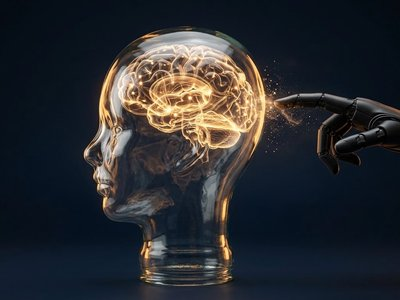
Cognitive Offloading: What AI Does to Your Memory, Backed by Science
Cognitive offloading helps now and costs later: the 2011 Google effect, MIT's 2025 EEG study on ChatGPT, and 5 ways to keep your memory in the loop.

What Is Cognitive Reserve? How to Build a Brain That Resists Aging
Cognitive reserve explains why some aging brains stay sharp. See what 15-year cohort studies found, how each school year delays decline, and a 20-minute daily plan.

How to Improve Working Memory: 7 Science-Backed Exercises
7 science-backed working memory exercises - n-back, chunking, digit span and more - plus what the research says actually works. Just 15 minutes a day.

The Tetris Effect: What It Is and Why Your Brain Keeps Playing
Ever seen falling blocks when you close your eyes? Learn what the Tetris Effect is, what brain scans show, and why doctors use it for PTSD and cravings.
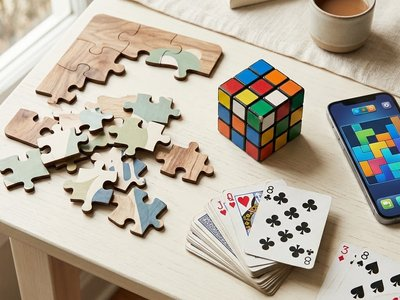
Do Brain Games Actually Work? What the Science Really Says
Do brain games work? A science-first review of near vs. far transfer, the ACTIVE trial, the Lumosity FTC case, and 2025 studies — plus how to play for real benefit.

How to Build a Memory Palace: The Science-Backed Method | iQiQGame
Learn to build a memory palace in 5 steps, backed by Neuron and Science Advances studies, plus a worked example, common mistakes, and a 4-week plan.

How to Get Rid of Brain Fog: 7 Science-Backed Fixes | iQiQGame
Learn how to get rid of brain fog with 7 science-backed fixes — sleep, exercise, hydration, focus training — plus causes and when to see a doctor.
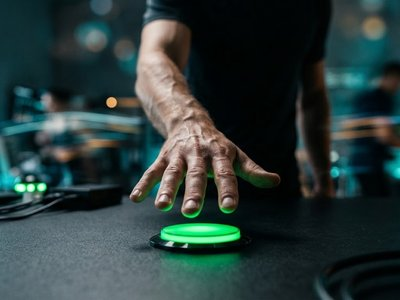
How to Improve Reaction Time: 7 Science-Backed Ways
Learn how to improve reaction time with 7 science-backed methods: action games, anticipation drills, sleep, caffeine timing, and a 4-week training plan. Plus average reaction time benchmarks by age.

What Is This Cognitive Science Section?
These articles translate published cognitive science into practical guidance: how working memory and reaction time respond to training, what the evidence says about brain games and brain fog, how the Tetris effect works, and what cognitive reserve and cognitive offloading mean for your long-term brain health.
- Evidence first. Each article summarises what published research shows — and is explicit where the evidence is mixed or weak.
- Practical exercises. The how-to articles include specific, science-backed exercises you can start today.
- Beyond marketing. The brain-games article separates what training genuinely improves from what advertising claims.
- Connected to the games. The exercises described map onto the training games available on iqiqgame.com.
How to Use This Section
- Start with the topic that matches your goal — memory, reaction time, focus or long-term brain health.
- Read the evidence summary before the exercises so you know what to expect.
- Pick one exercise from the article and pair it with the matching training game on the site.
- Return for new articles as the research coverage grows.
Cognitive Science FAQ
Are these science articles free to read?
Yes. Every article in this section is free to read with no account required.
Do brain games really work?
The article "Do Brain Games Actually Work?" reviews what the research shows: training improves the trained task and closely related ones, while far transfer is more limited — the site is explicit about that boundary.
Are the exercises hard to start?
No. Each how-to article includes simple starting exercises — such as N-back practice or chunking techniques — that take minutes a day.
New evidence-based articles are added to this section as the coverage grows.